SAVE $150
Selected Cookware Sets — Get Up to 40% OFF
Appliance Deals Save $200 — Air Fryer $229 & Brekkie Bundle $359
Classic & Baby Dutch Ovens — Get 35% OFF

There’s something unbeatable about cooking over an open flame. Whether you’re out bush, parked up by the coast or just firing up the backyard firepit, campfire cooking strips things back to the good stuff – heat, flavour, and time. But if there’s one thing that truly belongs by the fire, it’s cast iron cookware.
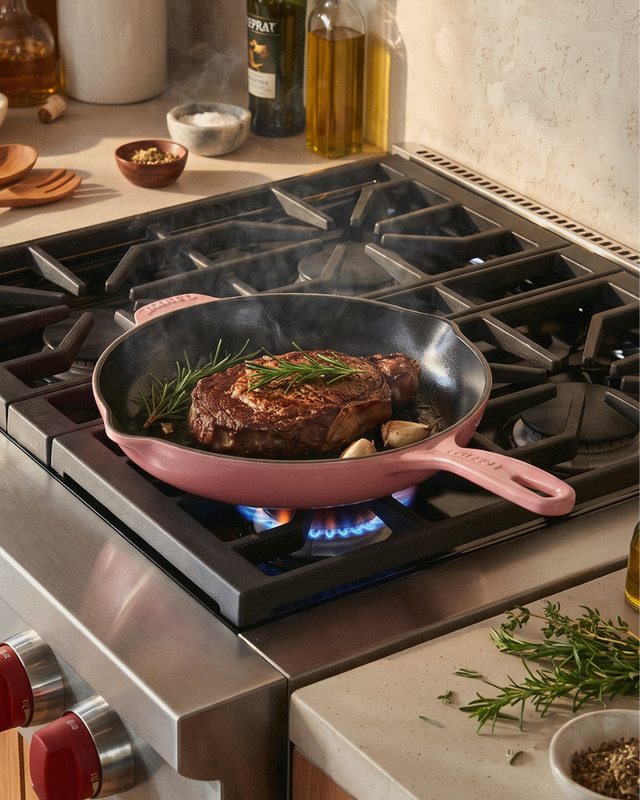
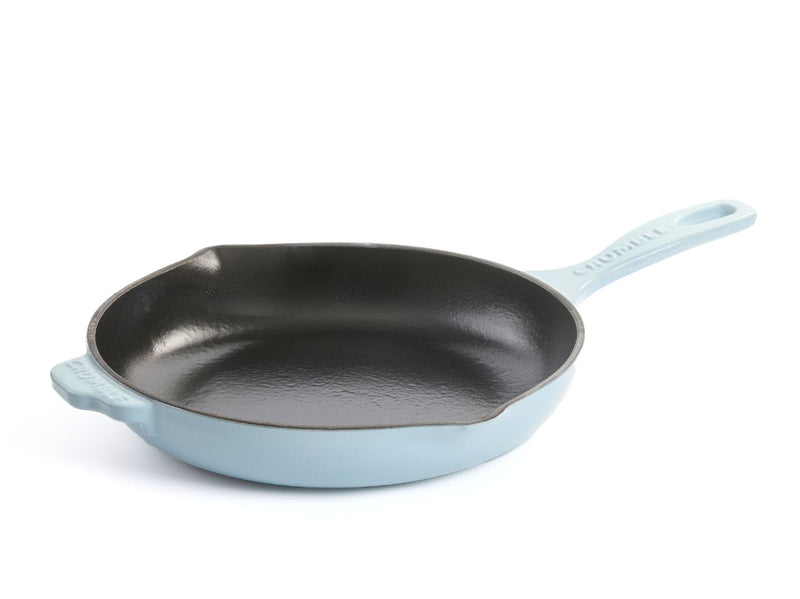
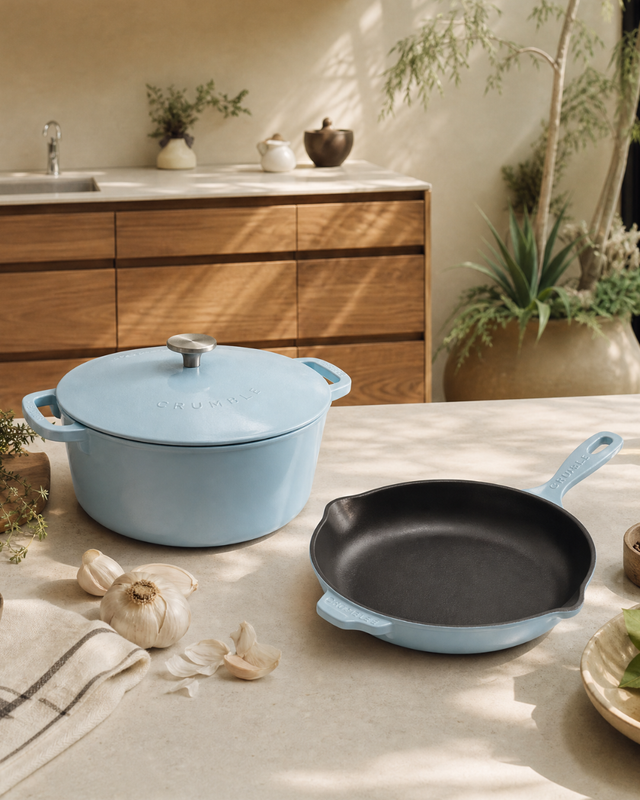
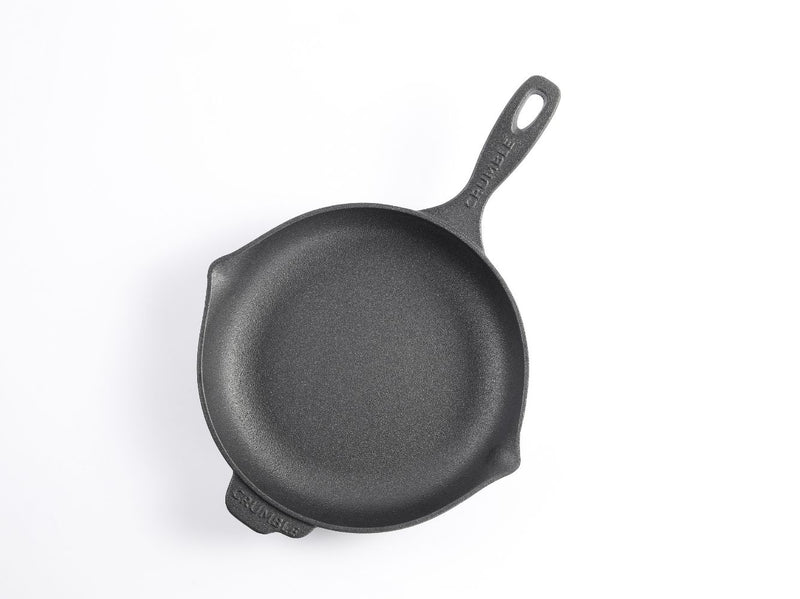
At Crumble, we’re big believers in cookware that actually cooks, and when it comes to camping, our Pre-Seasoned Cast Iron Skillet is about as reliable as they come. It’s built tough, handles open flame like a champ, and once you get the hang of it, you’ll wonder how you ever lived without this camping cookware staple.
Cast iron was made for the outdoors. It thrives in high heat, holds warmth for ages, and isn’t phased by a few coals or a wobbly flame. The more you use it, the better it gets, which makes it perfect for repeat camping trips (and the odd weeknight firepit dinner at home).
What makes our pre-seasoned skillet special is that it skips the enamel and goes straight to the good stuff: raw cast iron that’s been pre-seasoned, so you can use it straight away. It still needs a little love (seasoning is key to keeping that naturally non-stick layer intact) but it’s seriously low-fuss once you know what you're doing.

The Crumble Pre-Seasoned Skillet is fire-friendly and tough enough for direct flames.
Short answer? Pretty much anything. But if you’re looking to impress your camp mates (or just feed yourself something proper), here are a few campfire favourites that cook beautifully in cast iron:
The even heat means no burnt edges and no cold spots – just slow, steady cooking that’s easy to control if you let the fire do its thing.
Cooking over a fire is great for drama and searing, but coals are where the real magic happens. Once your fire’s burned down a bit, use the glowing coals as your heat source. They're more even, more controlled, and perfect for long, slow cooks or baking-style meals.
No tripod? No problem. Just nestle your skillet directly on a rock, grate or the edge of the firepit and rotate it every so often for even cooking. You’ll get to know your fire and your skillet in no time.

Cook directly over flame or low coals – raw cast iron can handle both!
Let’s be honest – camp cooking is messy. But cleaning cast iron doesn’t have to be. Once you're done cooking:
Seasoning doesn’t mean spices. It’s the thin, cooked-on layer of oil that makes your skillet naturally non-stick and protects it from rust. Our skillet comes pre-seasoned, so it’s ready to go, but with outdoor cooking, a little re-seasoning now and then keeps it in top shape.
All you need to do is rub a light coat of oil all over your clean, dry skillet, then heat it until the oil bonds with the metal. Over time, this builds a hard, protective surface that just keeps getting better.
If you’re building a proper campfire cooking kit, these small but mighty extras will make life easier:
Campfire cooking means slowing down, enjoying the process, and maybe having a cheeky drink while your dinner sizzles away. With the right gear (and a bit of practice), your cast iron skillet becomes a piece you’ll reach for trip after trip.
Explore our full camping cookware collection and get ready to turn your next camp cook-up into something your mates will talk about for ages.

Free Metro Shipping Over $200

30 Days Risk Free Trial

Limited Lifetime Warranty