SAVE $150
Selected Cookware Sets — Get Up to 40% OFF
Appliance Deals Save $200 — Air Fryer $229 & Brekkie Bundle $359
Classic & Baby Dutch Ovens — Get 35% OFF

Not all casserole pots are created equal, and that’s mostly down to the material. Some pots hold heat better. Some are easier to clean. Some last a lifetime; others won’t make it past a few years of use.
So if you’re in the market for a casserole pot and wondering what it’s actually made from (and why that matters), here’s a breakdown of the most common materials, how they behave in the kitchen, and what to look for when choosing the one that’s right for you.
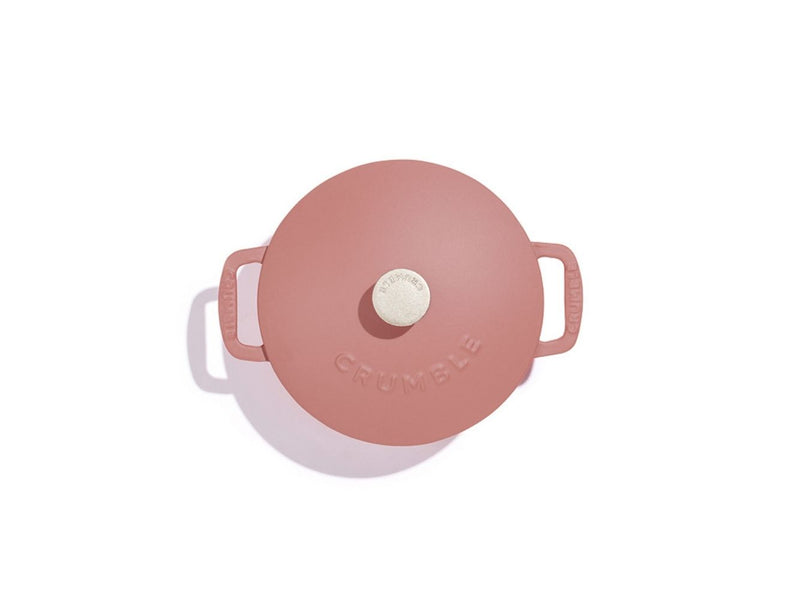
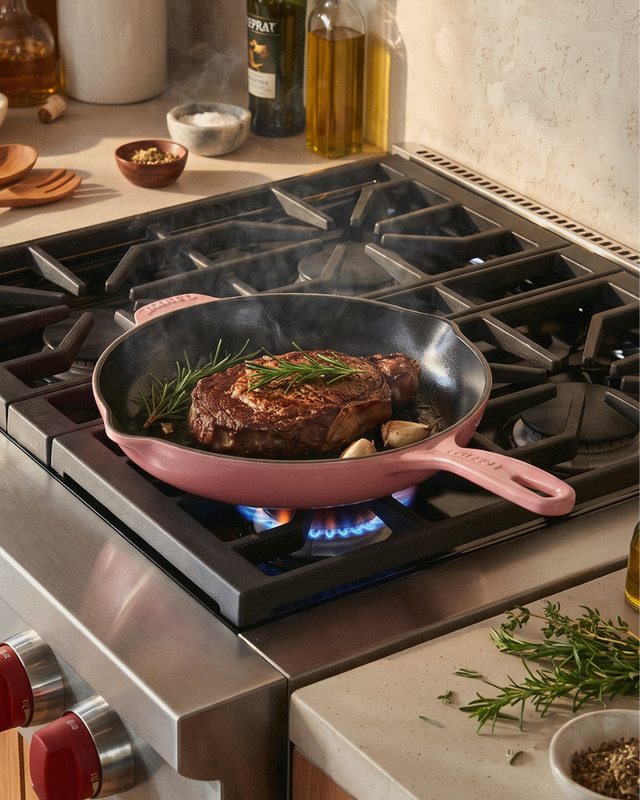
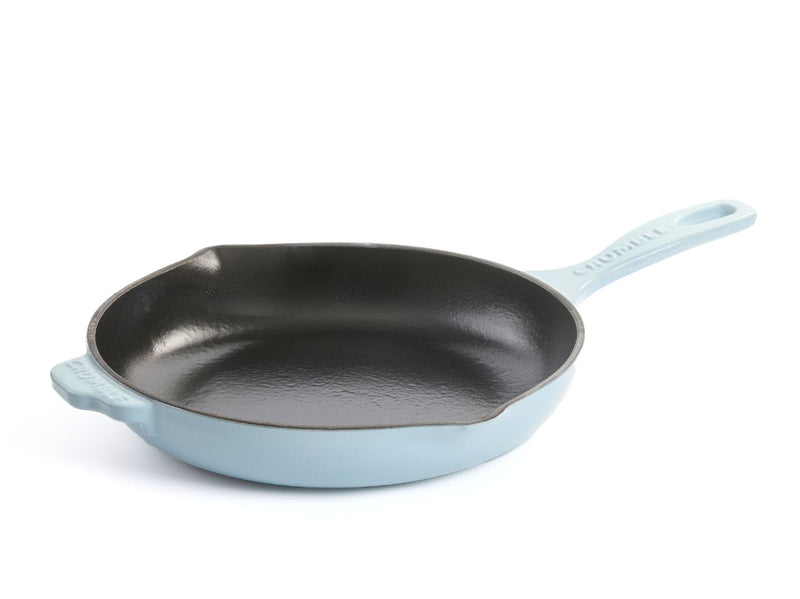
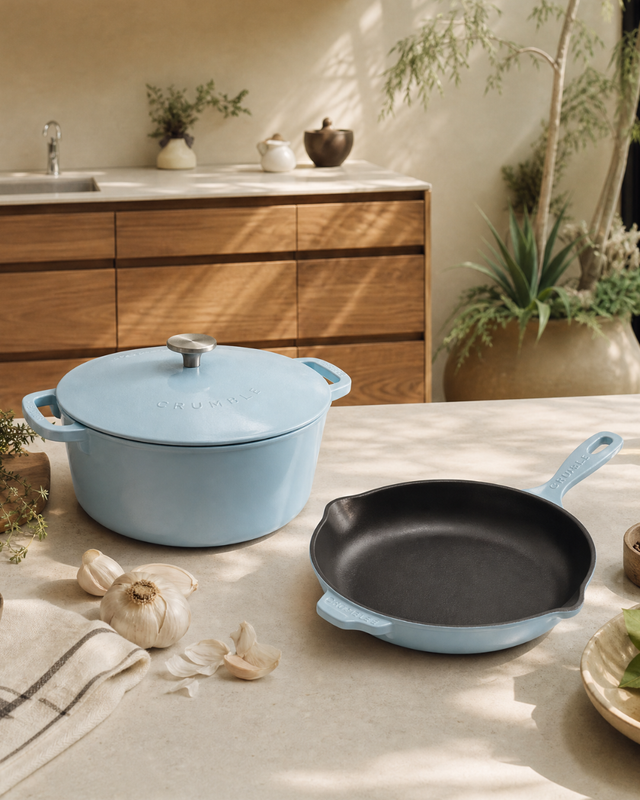
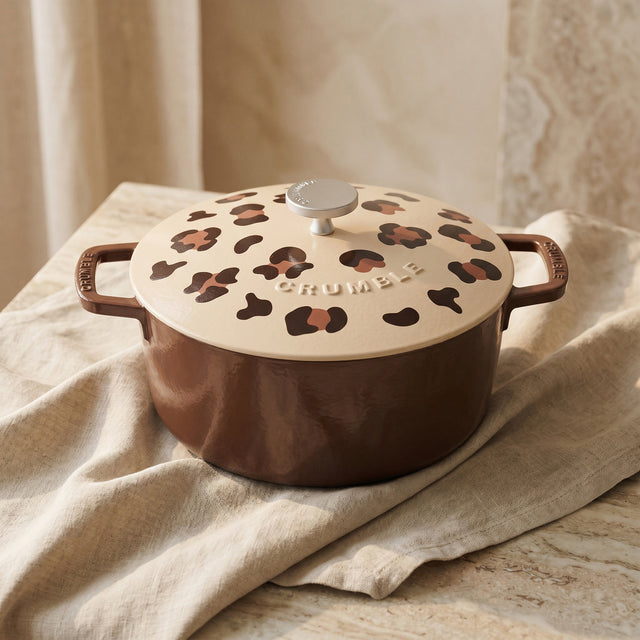
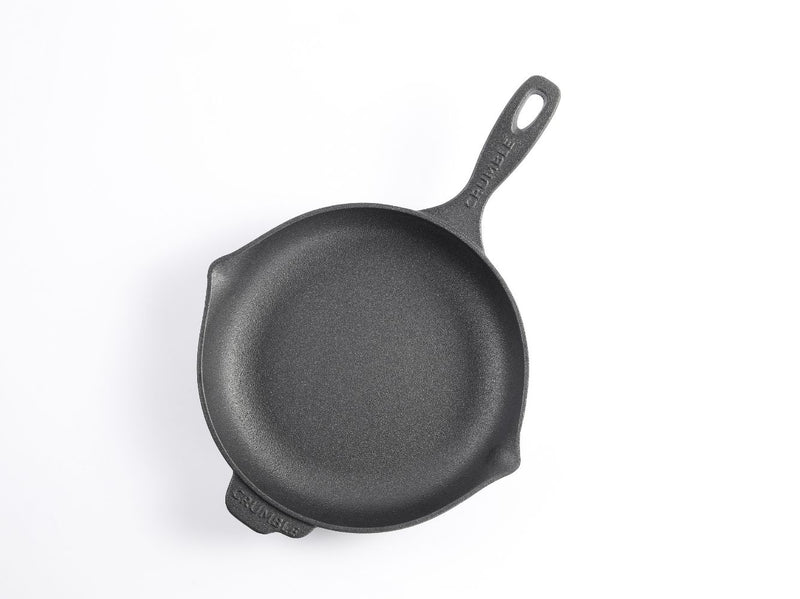
If you want a pot that’ll last for years, give you even heat, and look good doing it, enamelled cast iron is your best bet. It’s the go-to material in most Crumble cast iron cookware, and for good reason.
It’s heavier than your average casserole pot, but that weight means excellent heat retention. It distributes heat evenly across the base and sides, which is ideal for slow-cooked meals, baked dishes, and roasts.
Unlike raw cast iron, the enamel coating makes it easy to clean – no seasoning, no rust, no stress. Our enamel is sourced from Tomatec Japan and double or triple-coated for durability. Plus, it’s completely PFAS-free.
Crumble faves:
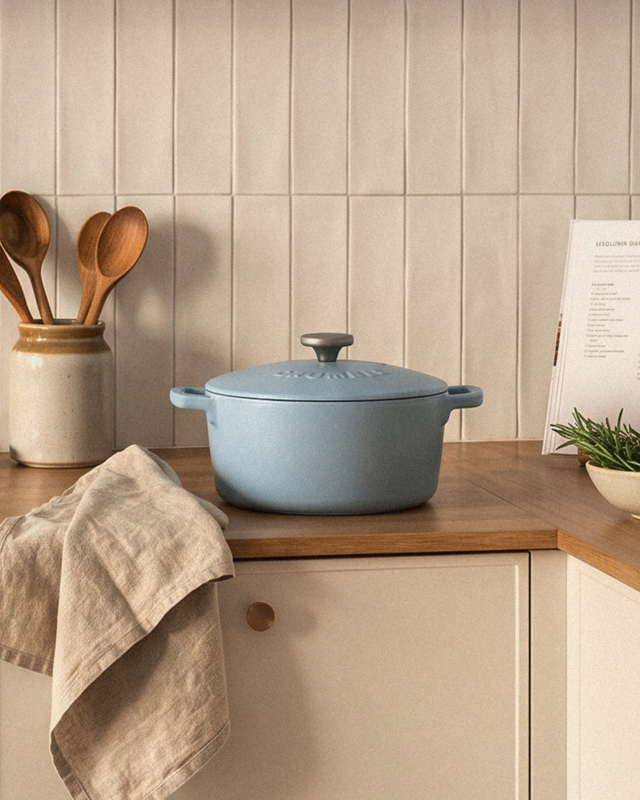
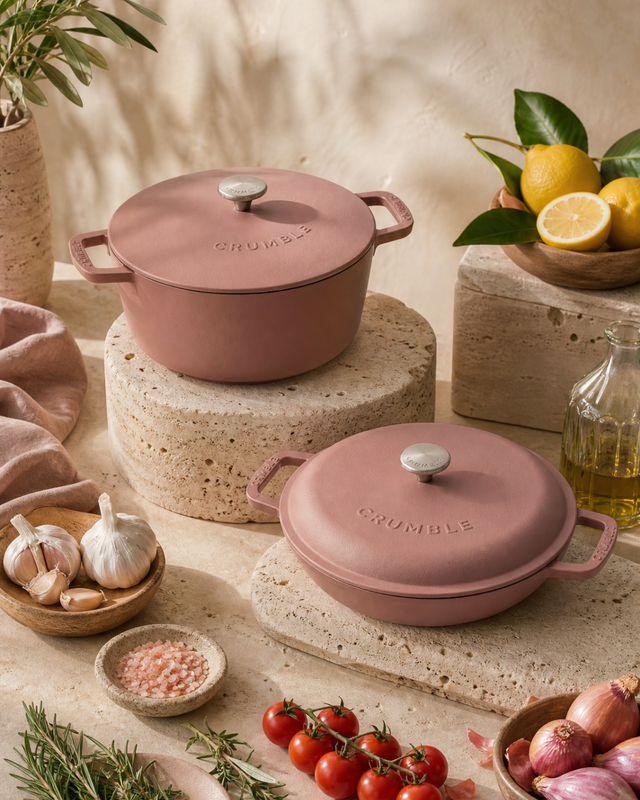
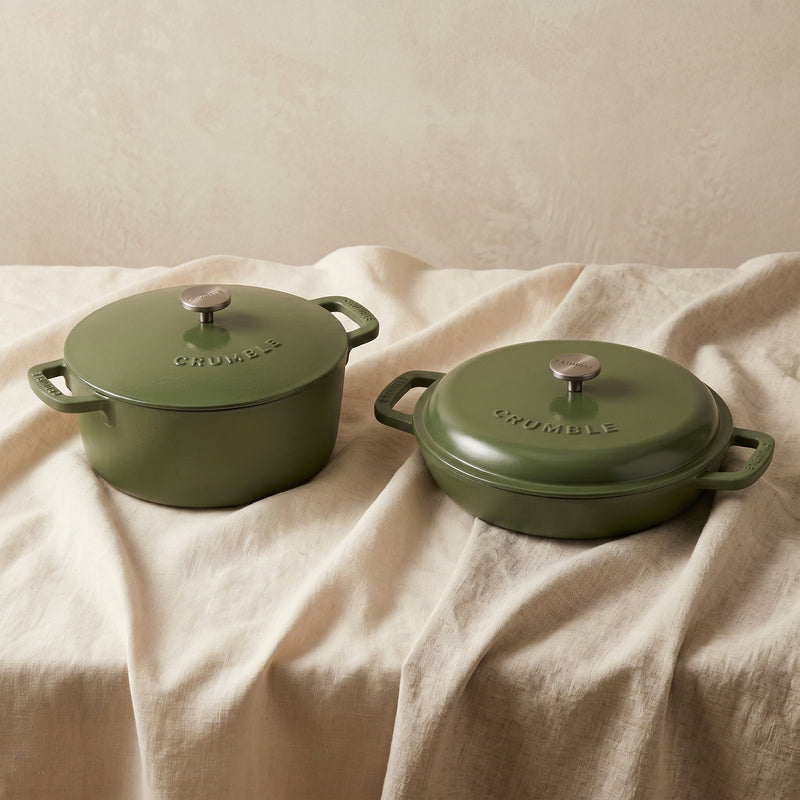
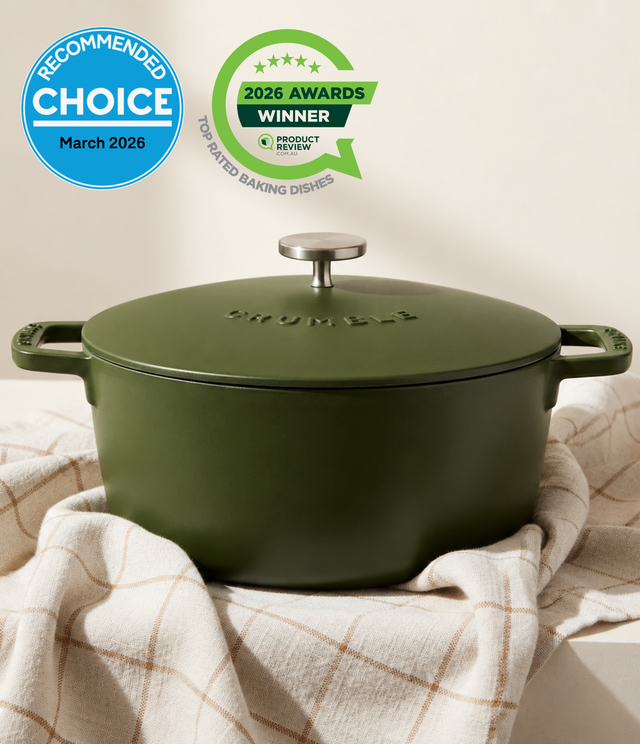
Classic Round Dutch Oven – 26cm
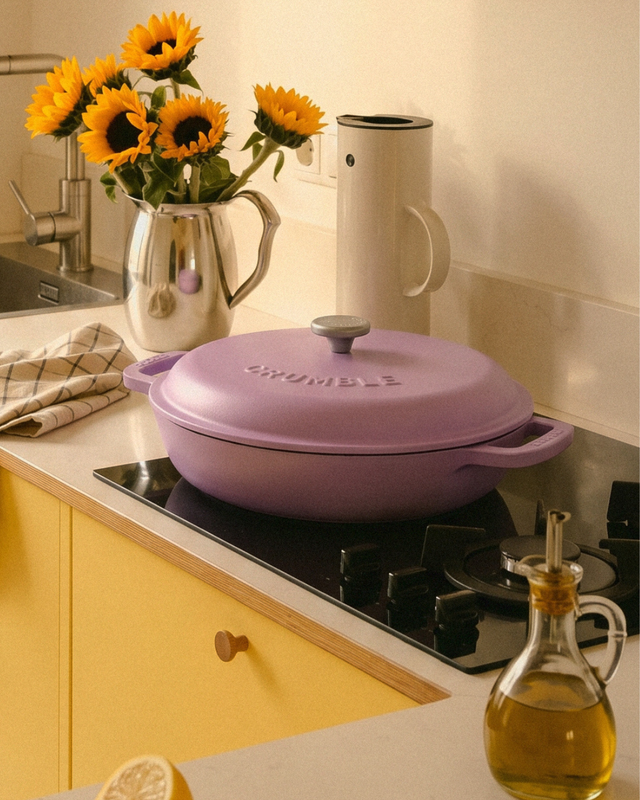
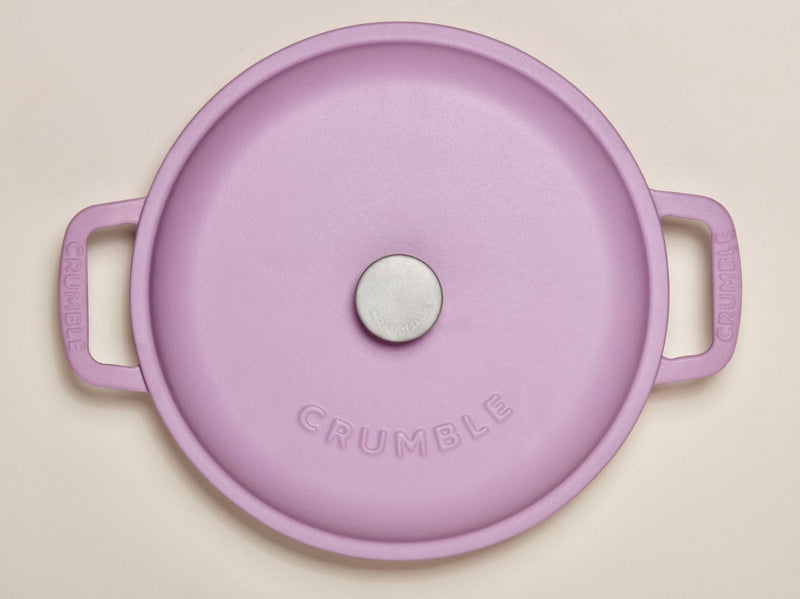
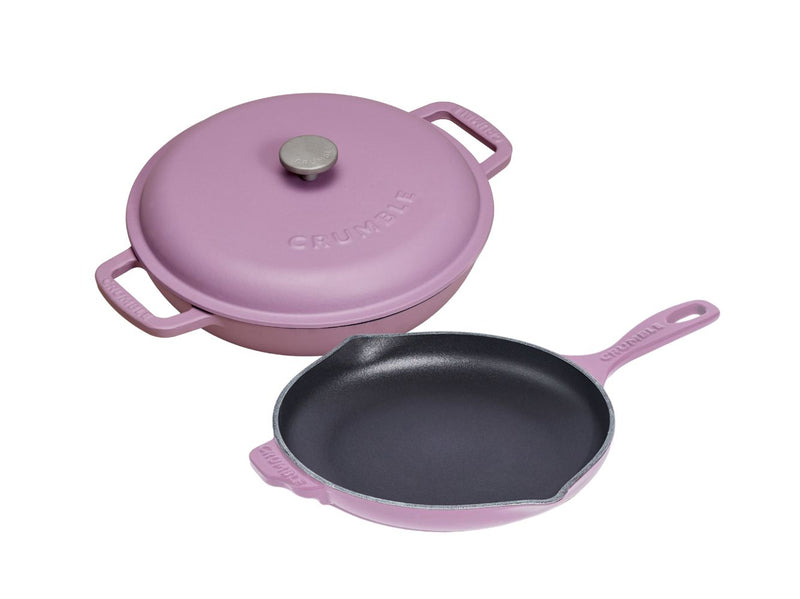
Shallow Casserole Dutch Oven – 30cm
Great for: stews, curries, pasta bakes, roast meats, no-knead bread, oven-to-table meals
Works on: gas, electric, induction, ceramic cooktops, and in the oven
Things to consider: heavier than other materials, but worth it for the lifespan
👉 Also read: Benefits of Cooking with Cast Iron

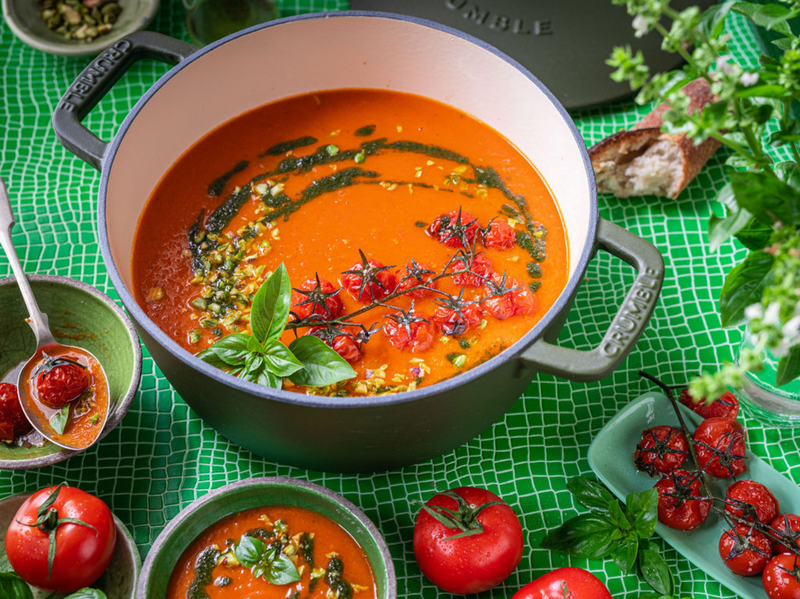
Crumble’s enameled cast iron heats evenly, holds flavour, and can last for decades.
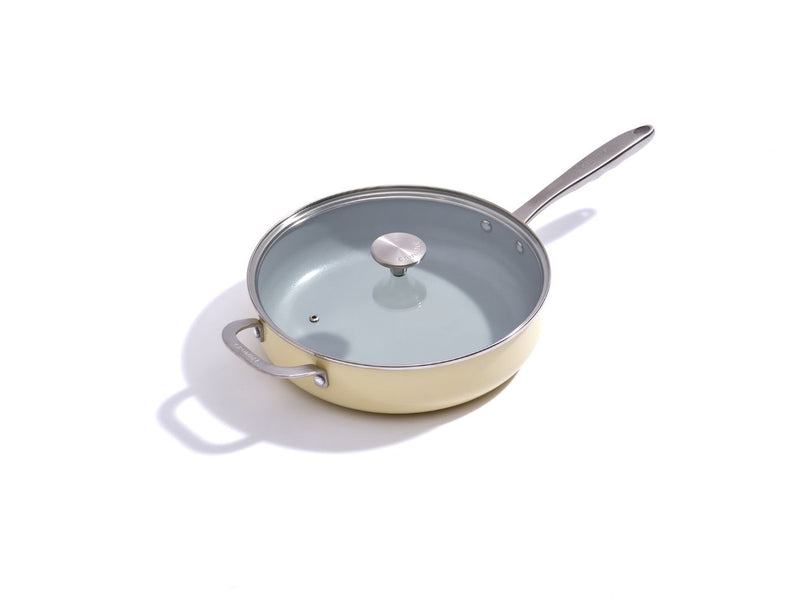
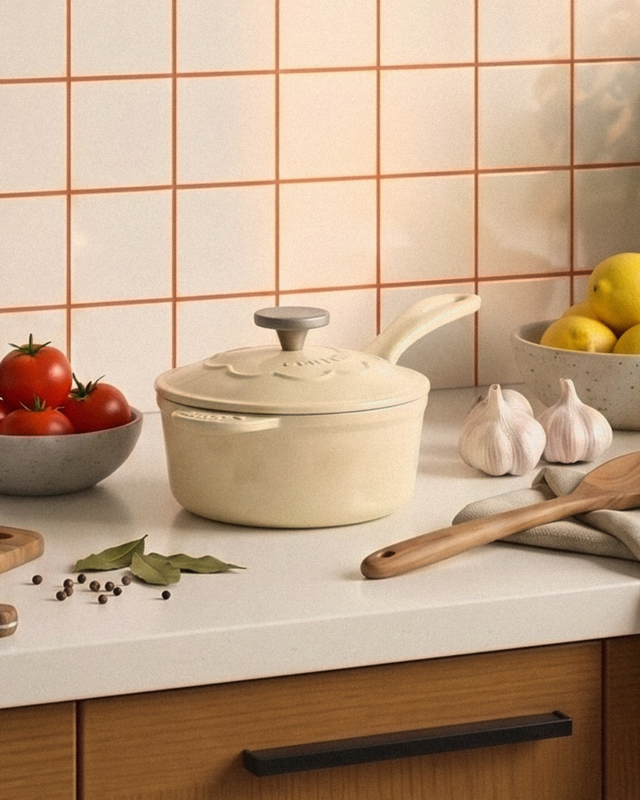
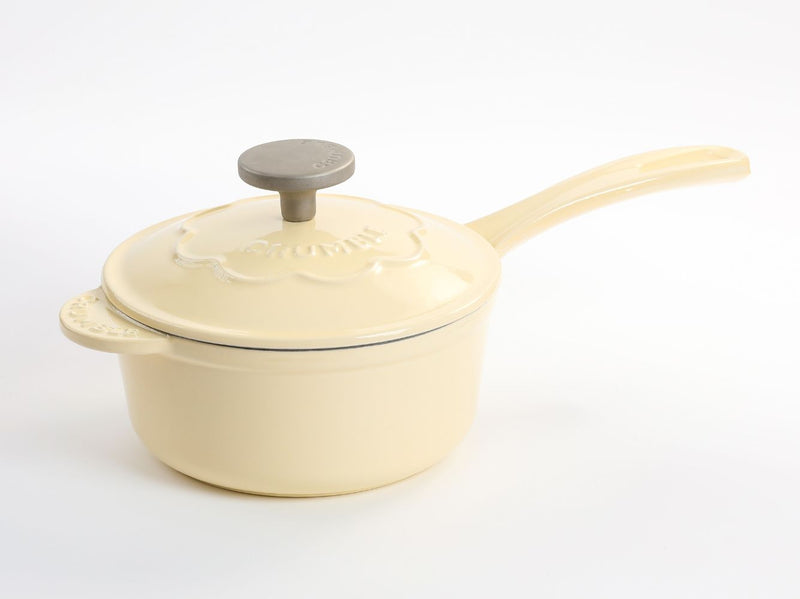
If you want something lighter and easier to handle, ceramic casserole pots are a solid choice. Crumble’s ceramic range is double-coated and PFAS-free, giving you a naturally non-stick surface without synthetic coatings.
Ceramic heats up quickly and performs best on low to medium heat. It’s ideal for everyday meals that don’t require long, slow cooking – think veggie bakes, pasta dishes, soups, or sauces.
Crumble faves:
Great for: weekday cooking, one-pan dinners, veggie-based meals, quick oven bakes
Works on: most cooktops (check for induction compatibility), oven-safe
Things to consider: prone to wear over time, handwash when possible
👉 Also read:
Best Ceramic Pots & Pans for Healthy Weeknight Dinners
The Do’s and Don’ts of Cooking with Ceramic

Ceramic casserole dishes are great for quick weekday dinners.
Stainless steel is great for saucepans, frypans, and boiling pasta – but when it comes to casseroles, it’s not always the best choice. It doesn’t hold heat as evenly as cast iron, and most stainless options need a fair bit of oil to prevent sticking.
If you already have a stainless steel stockpot, you can absolutely use it for stews or soups. But for dishes that go from stovetop to oven, or anything you want to slow-cook and serve straight to the table, you’ll probably want something more purpose-built.

If your idea of a perfect dinner is slow-cooked lamb or bubbling mac and cheese, enameled cast iron is your cookware soulmate. If you’re more about midweek speed and ease, ceramic gives you lightweight, everyday versatility.
And if you’re still unsure? Try our 30-Day Home Trial – take it for a spin in your own kitchen, no pressure.
Explore our full casserole pots collection or browse by Small, Medium, or Large Cast Iron cookware, depending on how many mouths you’re feeding.
👉 You might also like:

Free Metro Shipping Over $200

30 Days Risk Free Trial

Limited Lifetime Warranty