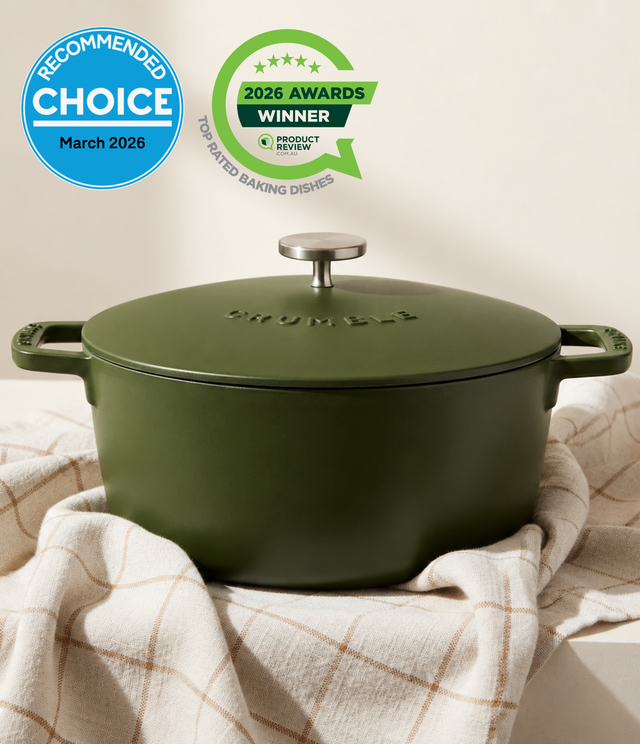
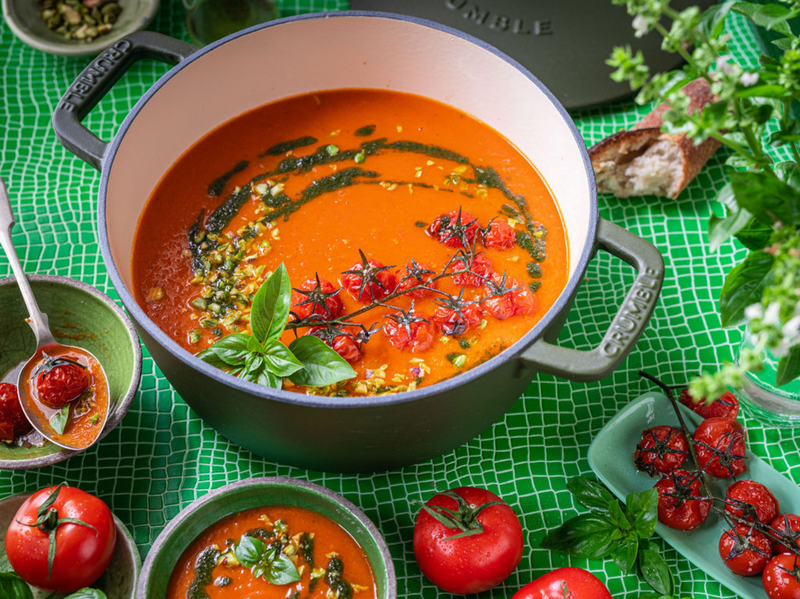
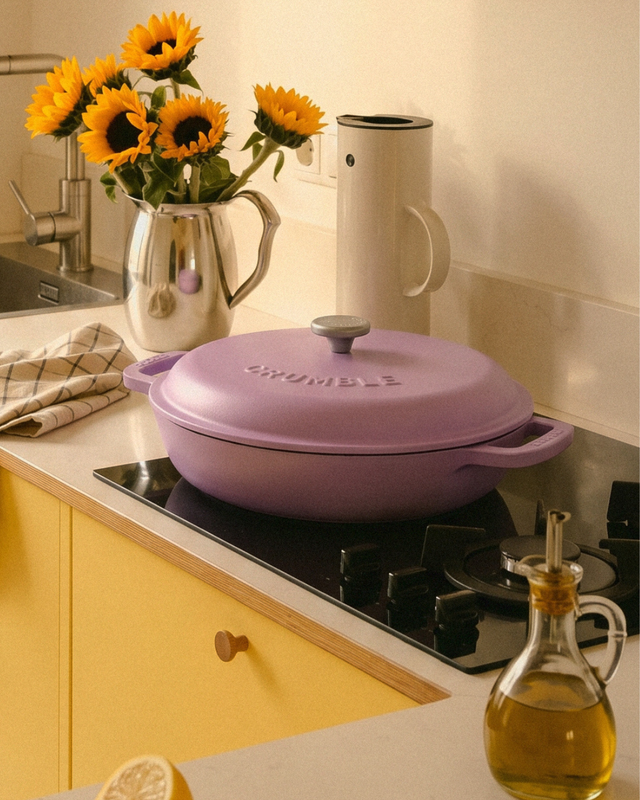
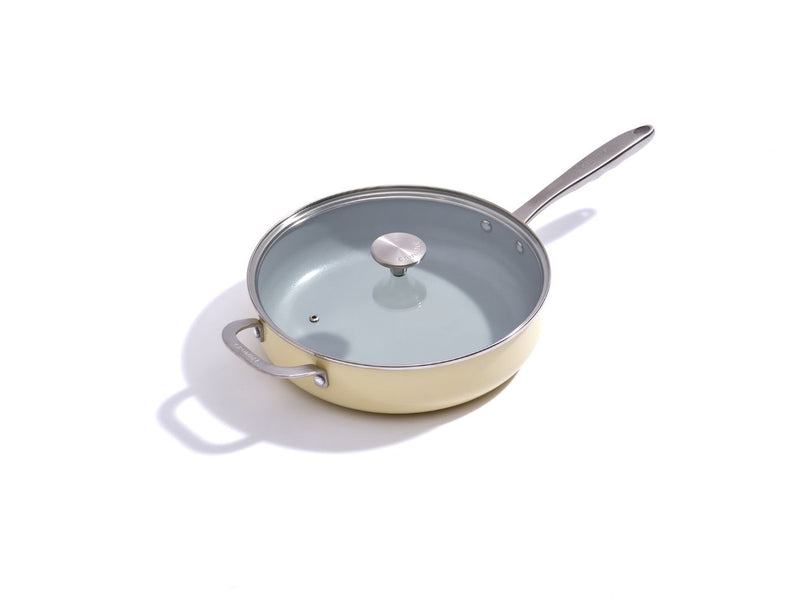
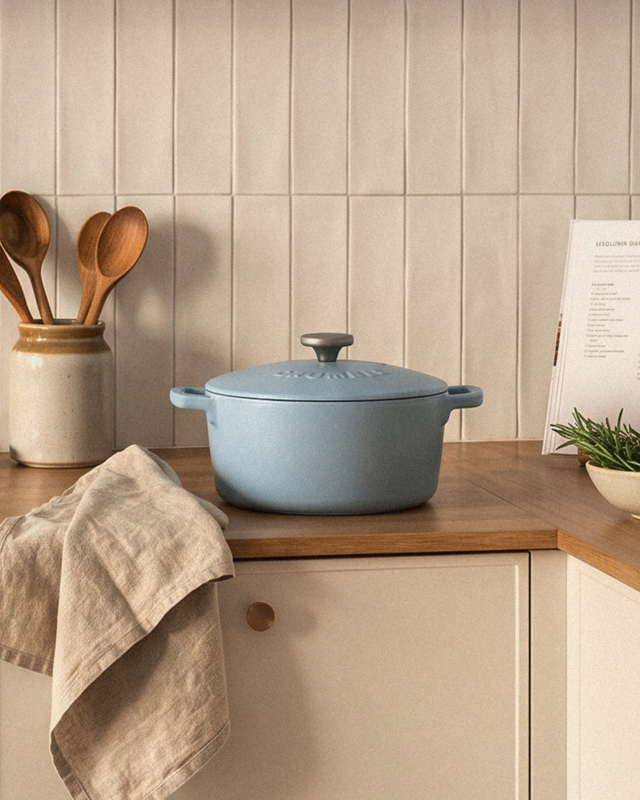
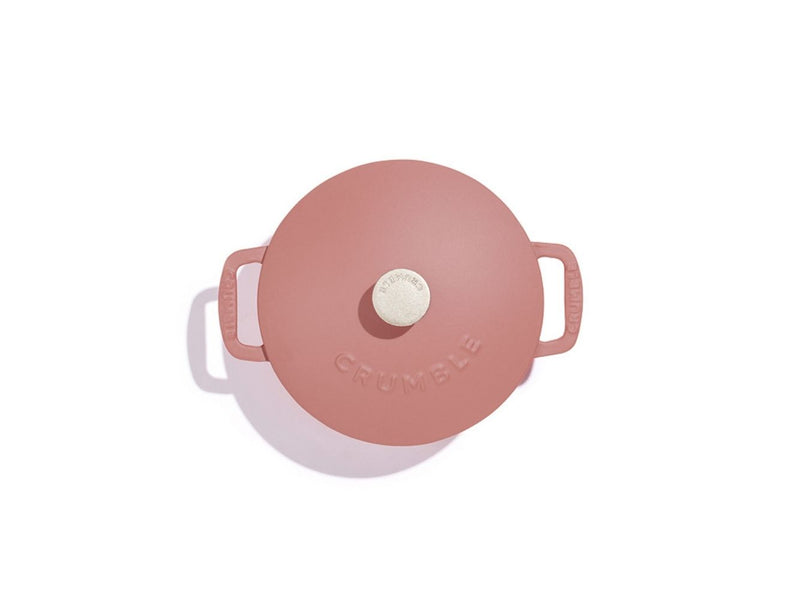
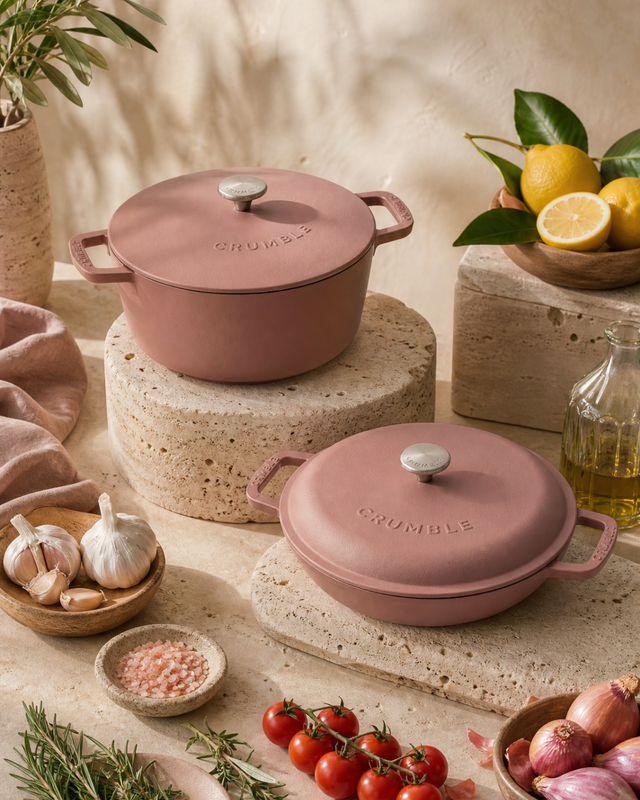
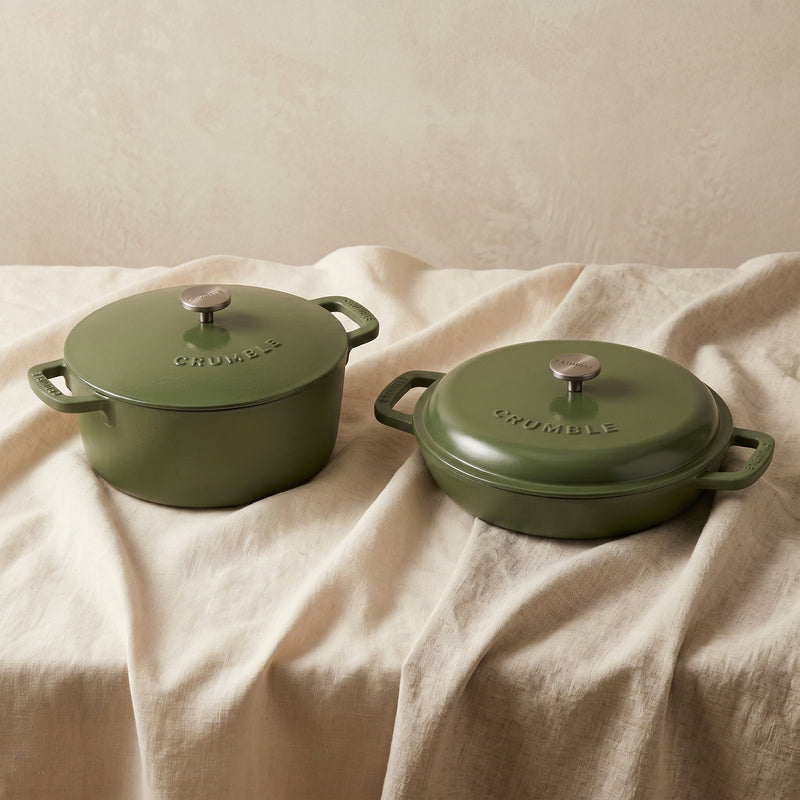
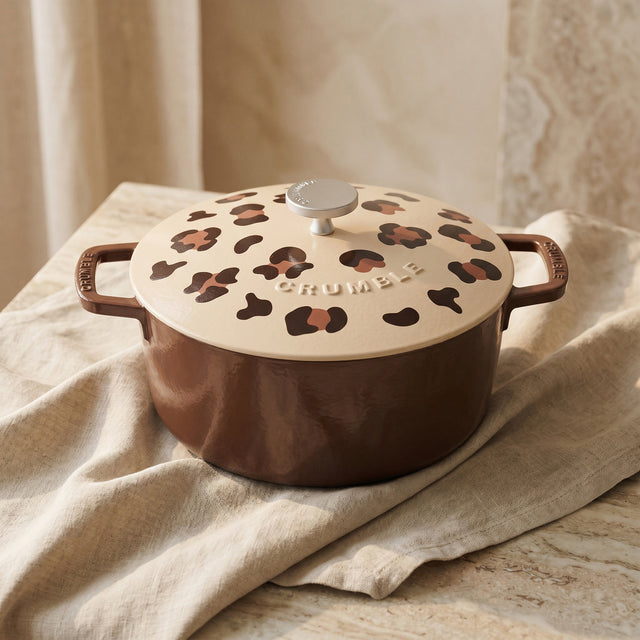
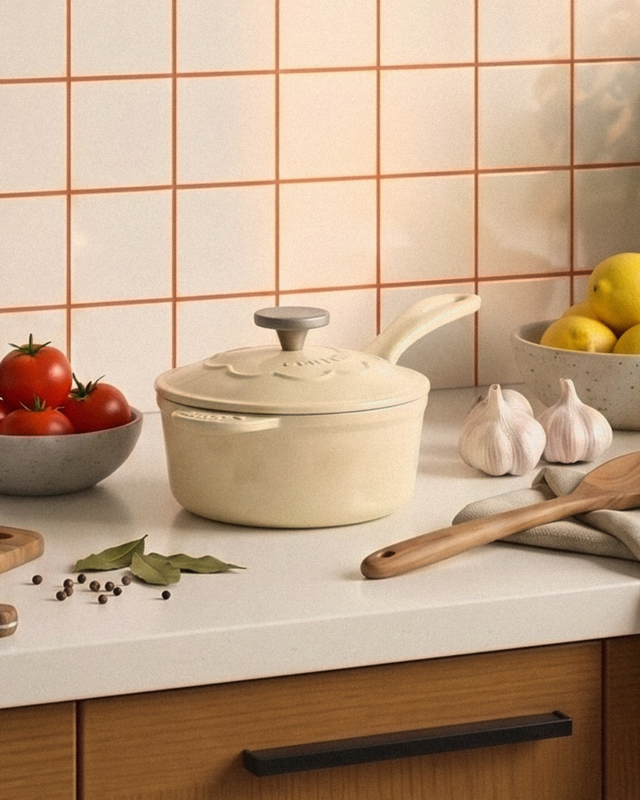
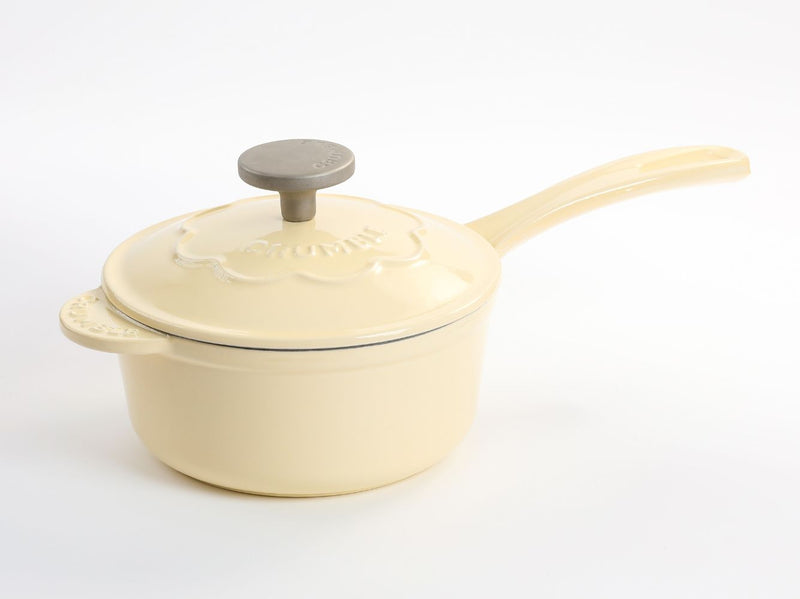
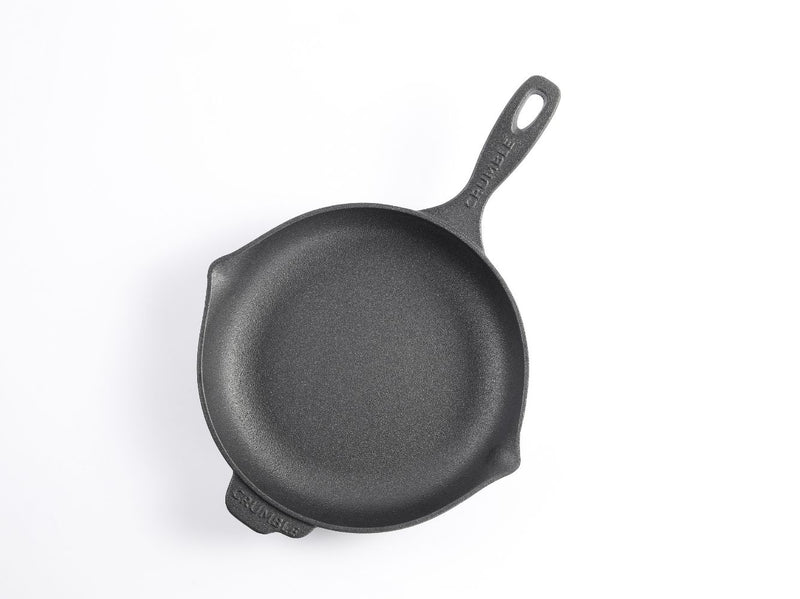
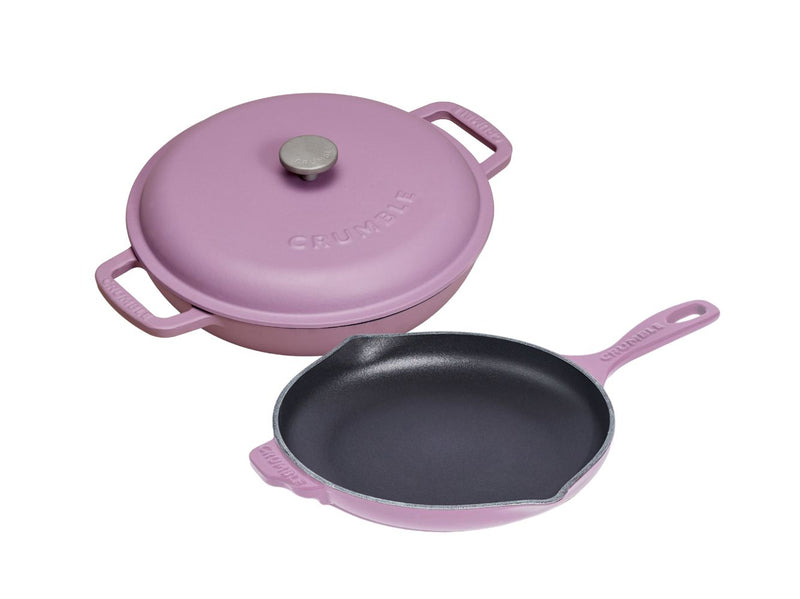
Let's talk about something that happens to every cast-iron owner at some point...rusting. Yep, it's actually more common than you think and completely manageable. In fact, rust is part of the natural lifecycle of cast iron, and with a little love and the right care, your piece will last a lifetime of delicious eats.
So, if you've spotted a bit of rust on your pan, dutch oven or skillet, here's what to do (and why you don't need to hit the panic button).
Why Does Cast Iron Rust?
Yes, cast-iron is incredibly durable, but at the end of the day, it is still a form of metal. When metal meets moisture, whether from cooking, washing, or exposed to the humidity in the air from air drying, oxidisation happens which is a recipe for rust formation.
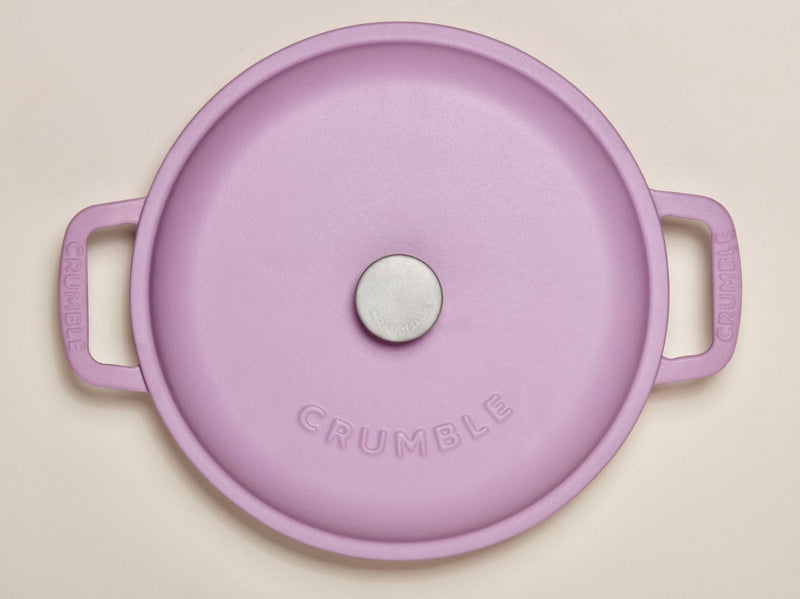
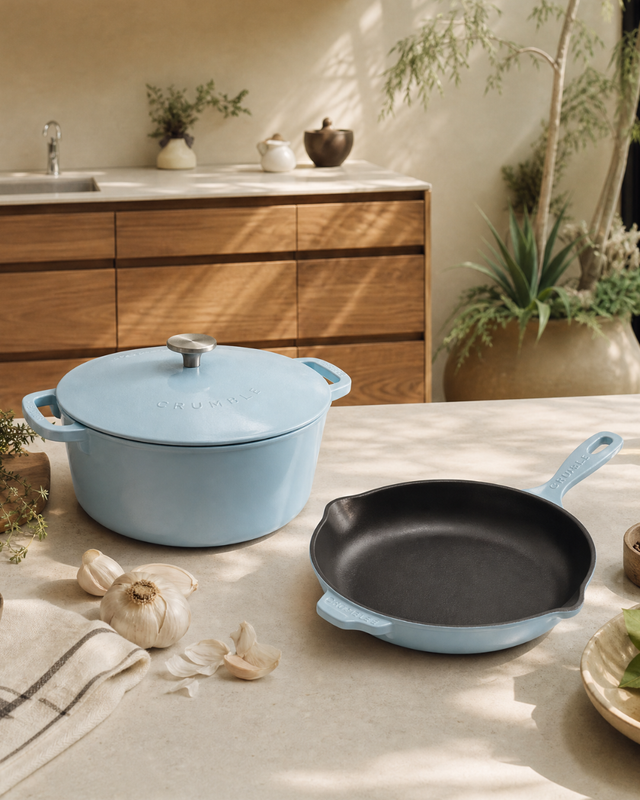
This doesn't mean that you've ruined your pan beyond use, even if your cast-iron piece came with enamel coating, the edges of the cookware are actually exposed cast-iron which is commonly where you'll find some rust formation.
How to Deal with Rusting
-
Give it a Gentle Scrub: Use a soft scrub brush or sponge with a little warm water. For tougher rust spots, a paste made from baking soda and water can help life it without damaging the surface.
-
Dry it Thoroughly: Rust loves water, so once your pan is clean, make sure it's bone dry. Pop it on the stove over low heat for a few minutes to evaporate any lingering moisture.
-
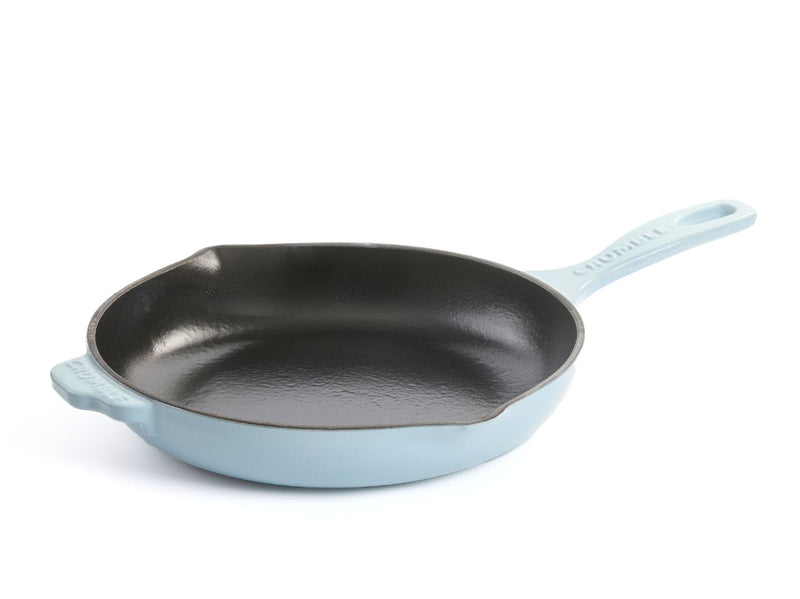
Re-Season If Needed: If your pan is fully exposed like our pre-seasoned skillet, you will need to re-season it after cleaning. Rub a small amount of neutral oil (like flaxseed, grape seed, or vegetable oil) into the surface of the pan and bake it in the oven at 180-200 degrees celsius upside down for about an hour. If you have an enamel coated cast-iron piece, the enamel itself does not require seasoning, but you can do so on the exposed areas such as the rims of the base and lid of the pot.
How to Prevent Rust Moving Forward
- Dry it immediately after washing instead of letting it completely air-dry when damp
- If you need to store it away, make sure the area is dry and avoid places like the sink or near windows
- Avoid soaking your cast-iron cookware or leaving food in it overnight
- Apply a light coat of oil on raw edges every so often for extra protection
Final Thoughts
With the right care, your cast-iron cookware will stay beautiful, functional and ready for years of slow roasts, crispy potatoes, saucy pastas and so much more to come.
Got more rust questions or need extra elbow grease with bringing your cookware back into tip top shape? Reach out to our team at support@crumble.co and we've got your back (and your cookware too).