Great Value 💰
Mother's Day Sale: Spend and Save!
Spend $250+ Get Extra 10% OFF
Spend $550+ Get Extra 15% OFF

There’s something satisfying about cooking with cast iron cookware. Whether you’re searing a steak or slow-cooking a rich stew, cast iron cookware is a game-changer in the kitchen. But if you’re new to cast iron or haven’t quite mastered the care routine, it’s easy to make mistakes that can damage your cookware or affect how your food turns out. Here’s what not to do, and how to get the best results from your cast iron cookware very time.
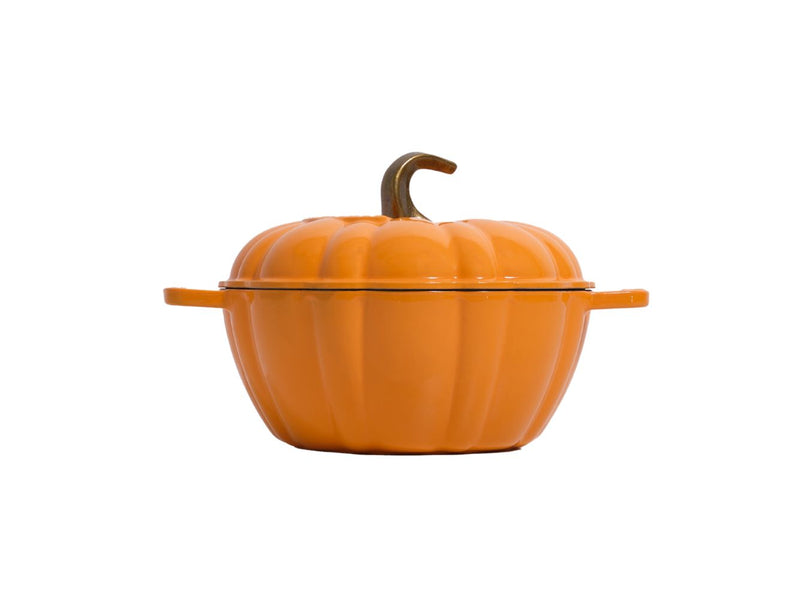
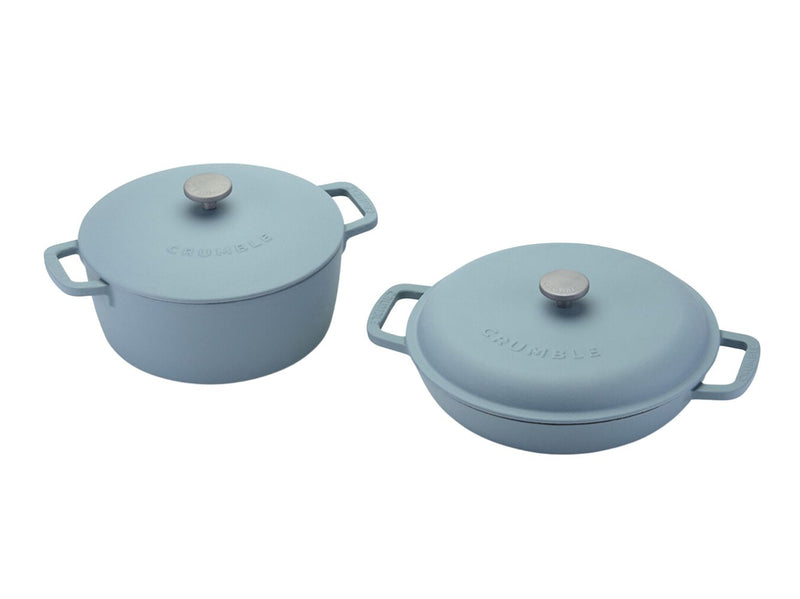
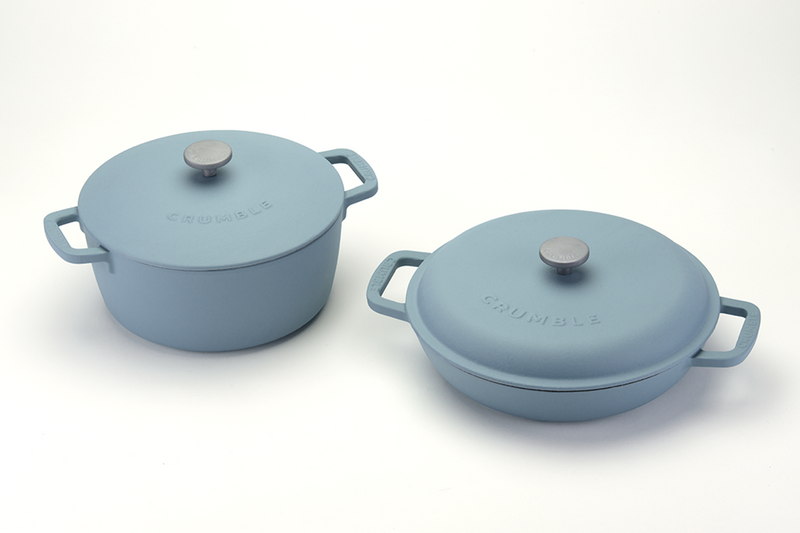
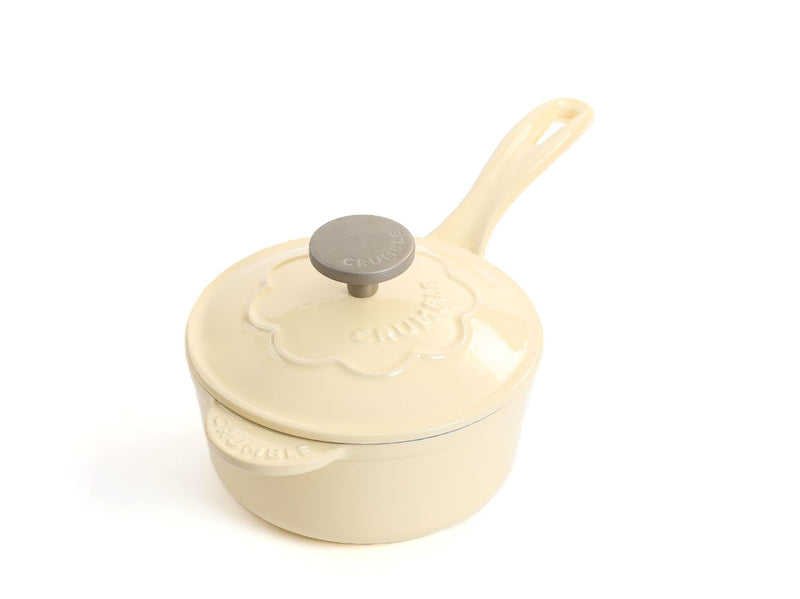
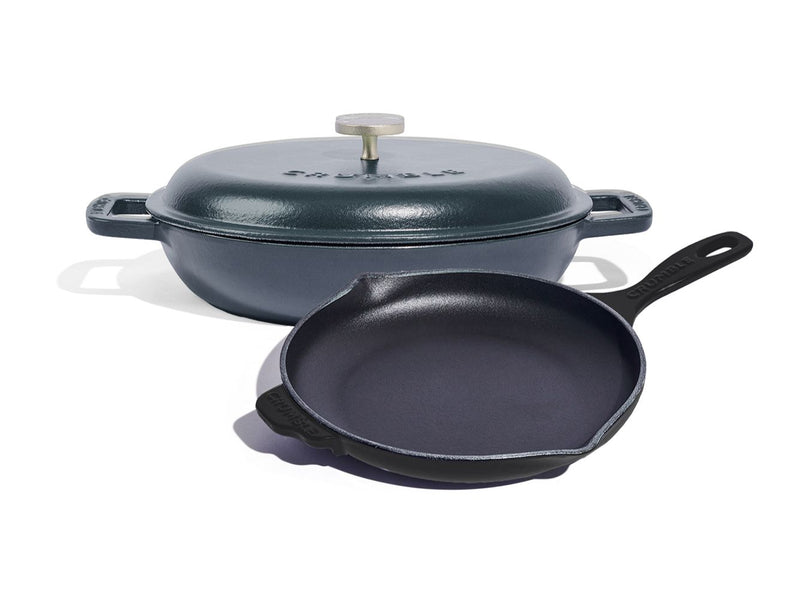
Before we get into mistakes when using cast iron cookware, it’s important to know what type of cast iron cookware you’re using. Not all cast iron cookware is the same, and knowing the difference helps you care for it properly and get the best cooking results.
Alright, now that we have a better understanding of the different types of cast iron, let’s learn what to do and what not to do when cooking with cast iron.

Taking care of cast iron cookware is easy (once you know how to do it!)
One of the biggest mistakes people make with cast iron is cranking up the heat too high. Cast iron holds heat incredibly well, so you don’t need to blast the stove to get a good sear.
What to do instead:
High flames won’t cook your food faster – they’ll just increase the chances of burning your ingredients and making them stick.

Don’t have the heat too high – low to medium heat is best for longevity of your Dutch oven
Tomato-based sauces, vinegar-heavy dishes, or citrusy marinades can be a problem if your cast iron isn’t well-seasoned. While cast iron naturally develops non-stick properties over time, it’s important to use oil or butter to help prevent food from sticking. Acidic foods can strip away the seasoning, making it harder for food to slide around and when it comes to cleaning.
What to do instead:
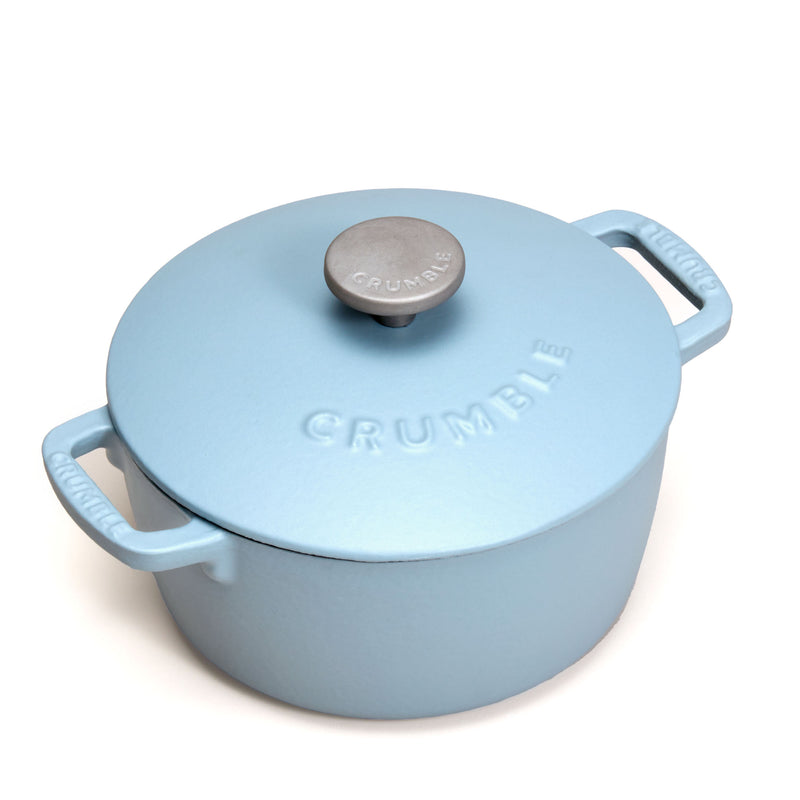
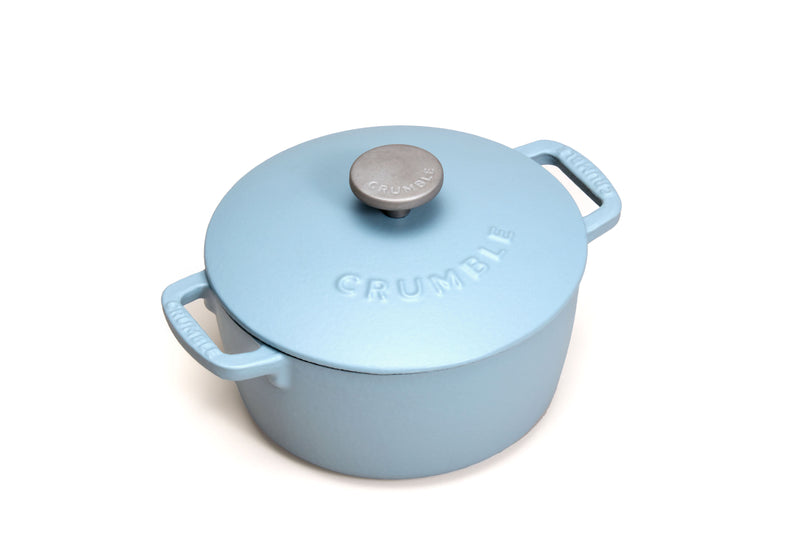
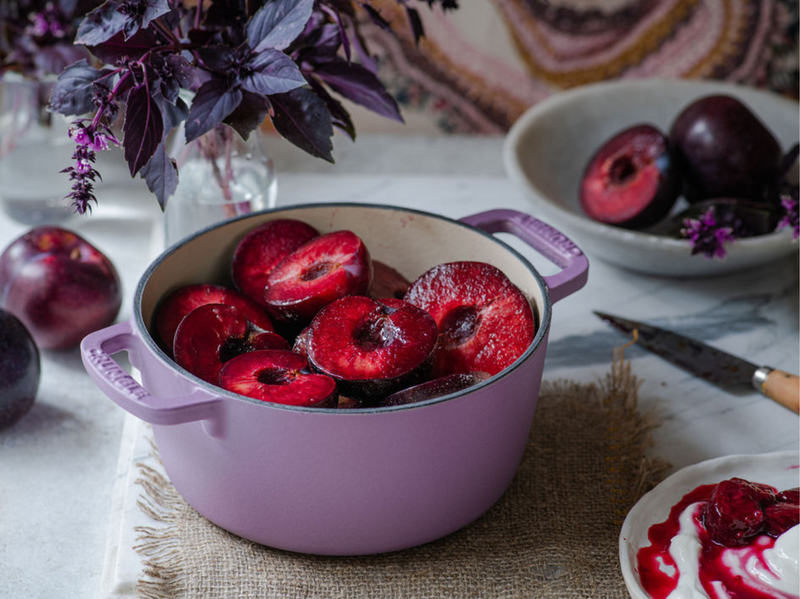
A quick tomato sauce? No worries. A slow-cooked ragu? Best to use an enameled Classic Round Dutch Oven.
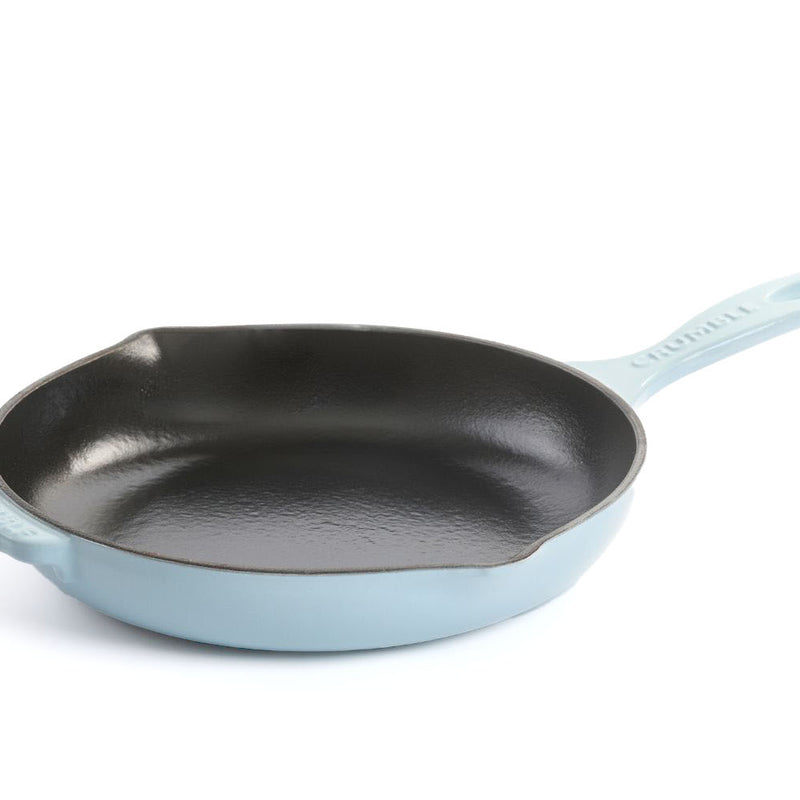
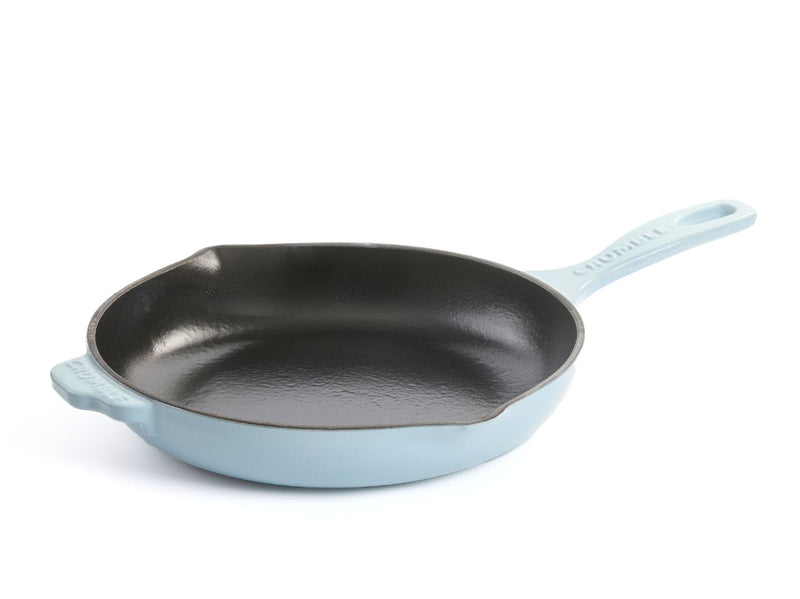
If you’ve got a Pre-Seasoned Skillet, one of the worst things you can do is scrub it down with soap after every use. Soap can strip away the seasoning, which is what helps create that naturally non-stick surface.
What to do instead:
If you accidentally use soap? No stress—just dry your pan and give it a light coat of oil to maintain the seasoning.
Cast iron and water don’t mix – leaving your cookware to soak can lead to rust, which is a nightmare to clean and weakens the surface over time.
What to do instead:
If rust appears, don’t panic – it can be gently scrubbed off and re-seasoned.

Always wash and dry your cast iron straight away to prevent stains building up!
Even if you buy pre-seasoned cast iron, seasoning can wear down over time. If your food is sticking more than usual, it’s probably time for a refresh.
What to do instead:
Seasoning is what makes cast iron last for generations – so don’t skip it!
When cooking with cast iron, avoid using metal utensils – they can scratch the enamel over time.
What to do instead:
For pre-seasoned cast iron, metal can be fine, but it’s important to be gentle to avoid scratching off the seasoning layer.
Stashing your cast iron away while it’s still damp or stacking pieces directly on top of each other can cause rust or even damage the surface.
What to do instead:

Keep lids ajar when storing your Dutch oven for greater air circulation
Cast iron can be incredibly non-stick, but it doesn’t start out that way – it gets better with use and seasoning. If food is sticking, it’s either not seasoned properly or the heat is too high.
What to do instead:
If your cast iron is still sticky, just keep cooking with it – it only gets better over time.
Cast iron cookware is one of the best investments you can make for your kitchen, but only if you take care of it. Avoid these common mistakes, and yourCrumble cast iron cookware will last for decades, only getting better with every use.
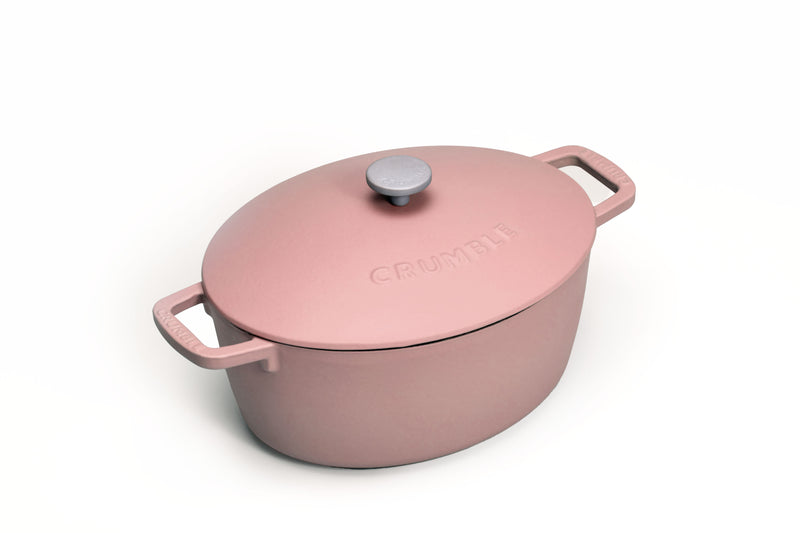
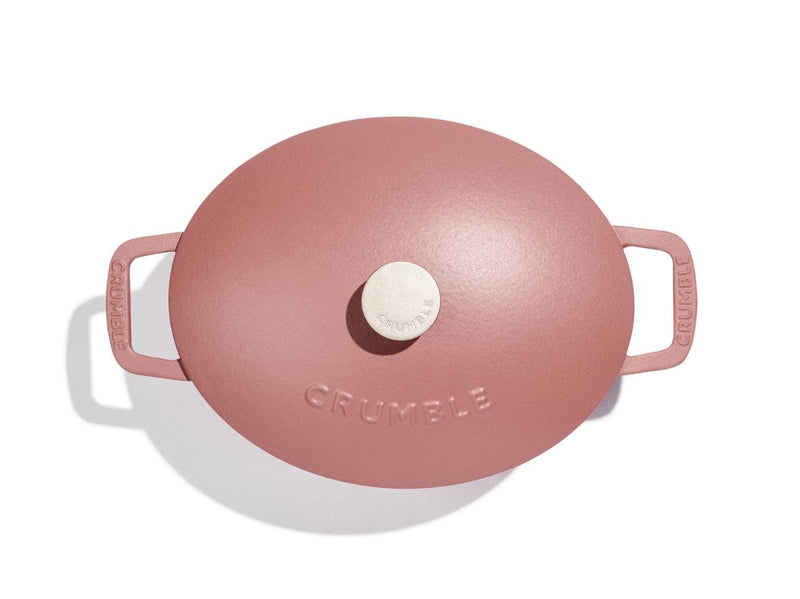
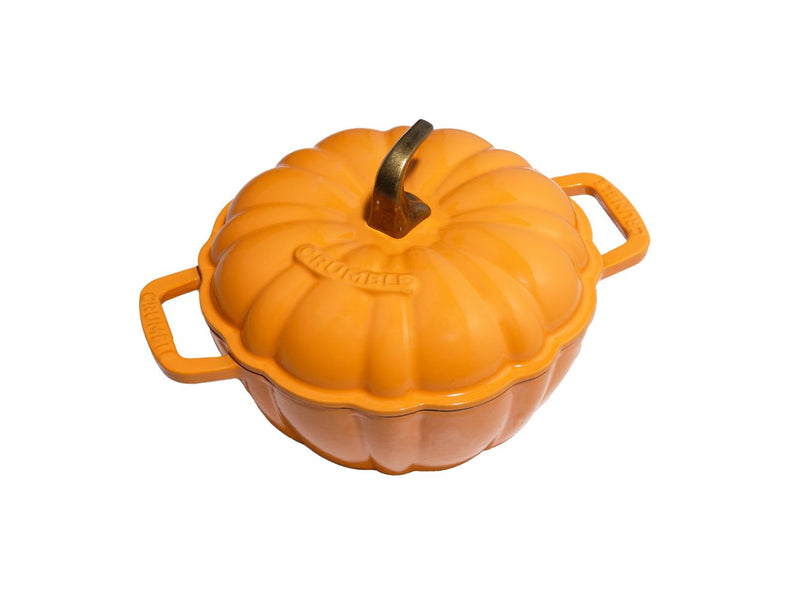
Looking for the perfect cast iron piece? Shop Crumble’s full cast iron cookware range.








Free Metro Shipping Over $200

30 Days Risk Free Trial

Free Returns for Metro

Lifetime Warranty